
Why We Build With Security From Day One
At BoekjesAtelier, parents upload photos and share personal details. That makes security a prerequisite. Here is how we approach it.
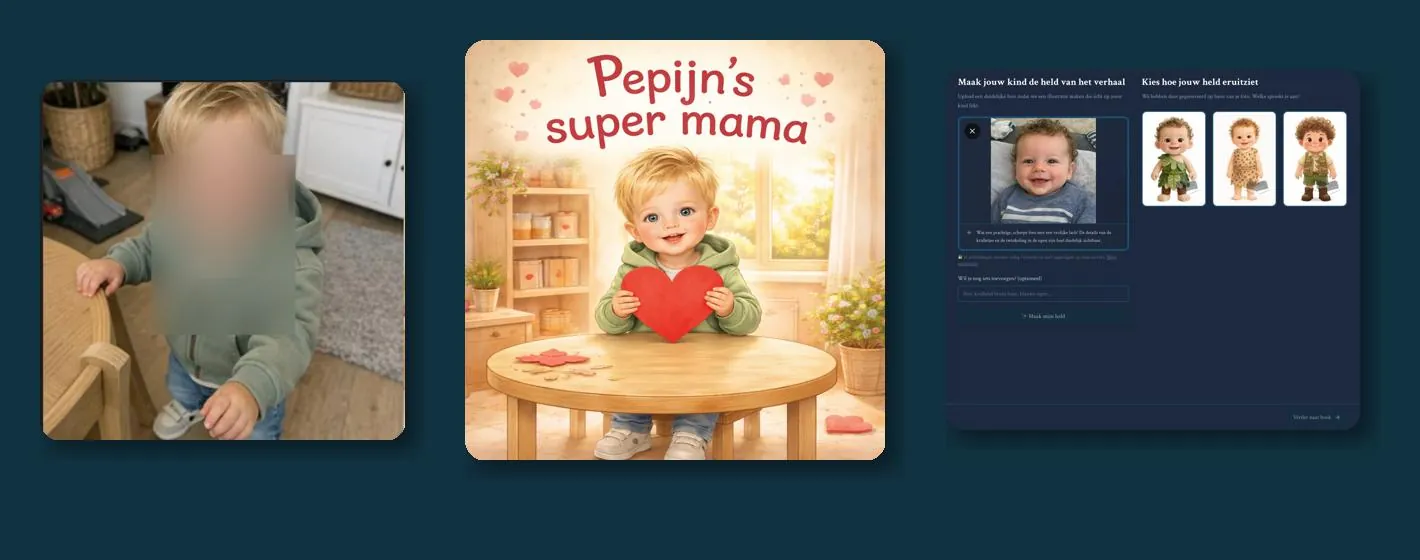
At BoekjesAtelier, parents create a personal book about their child. They upload photos and share details that are not meant to end up anywhere else.
That makes security a prerequisite. That is why we don’t store photos. They are only used temporarily and then deleted.
Our developer has a background in cybersecurity. Read more about how BoekjesAtelier started here: Where It All Began: The Adventures of Pim
That means we also look at what can go wrong when building software.
Security is not a feature
With products like these, it is about more than accounts or payments: photos and personal input from parents.
That is why the foundation lies in fairly simple, but important choices:
- We build on industry standards and proven software, instead of reinventing security ourselves.
- Users only have access to their own data.
- We store as little data as possible. What you don’t keep can’t leak.
Vendors are part of your security
For AI processing, we work with parties like fal.ai (for generating images) and Google Cloud (for generating text). That means data passes through them in some steps.
That is why we also look at how they handle security and compliance. We only use parties that do not use data to train their models and that comply with European privacy regulations.
That does not remove our own responsibility, but it does determine who we want to build with in the first place.
Want to create a personalized book yourself?
Product decisions are also security decisions
Beyond infrastructure and code, security is also in how a product works.
When something is unclear, people make mistakes faster. For example: not knowing what happens with a photo, or accidentally ordering something that is not right yet.
By making the process as clear and predictable as possible, you prevent those kinds of situations.
No storage as a starting point
We deliberately chose not to store photos, but to only use them temporarily to generate a description. After that, they are deleted, both by us and by the parties we use for processing.
The illustrations we generate are kept. You need those to view and order your book. But the original photos of your child? Those are gone as soon as we have the description.
That simply reduces the risk of data lingering somewhere.
If you want to know exactly how we handle data, you can read our privacy policy: privacy policy
Security is never “done”
This is an ongoing process.
New features, new vendors, new risks: we keep making choices, adjusting, and keeping systems up to date.
We build a product, and with it trust. And that mostly comes down to consistently making the boring, right choices.
This is how we make your book: with care and without unnecessary data.
Create a book for your child€34.95 · preview your book before you payAbout the author
Wouter builds the platform and technical foundation behind BoekjesAtelier. As a parent and with his cybersecurity background, he pays extra attention to privacy, safe processing, and clear product choices.
More about usRelated articles
These articles connect well with this topic.
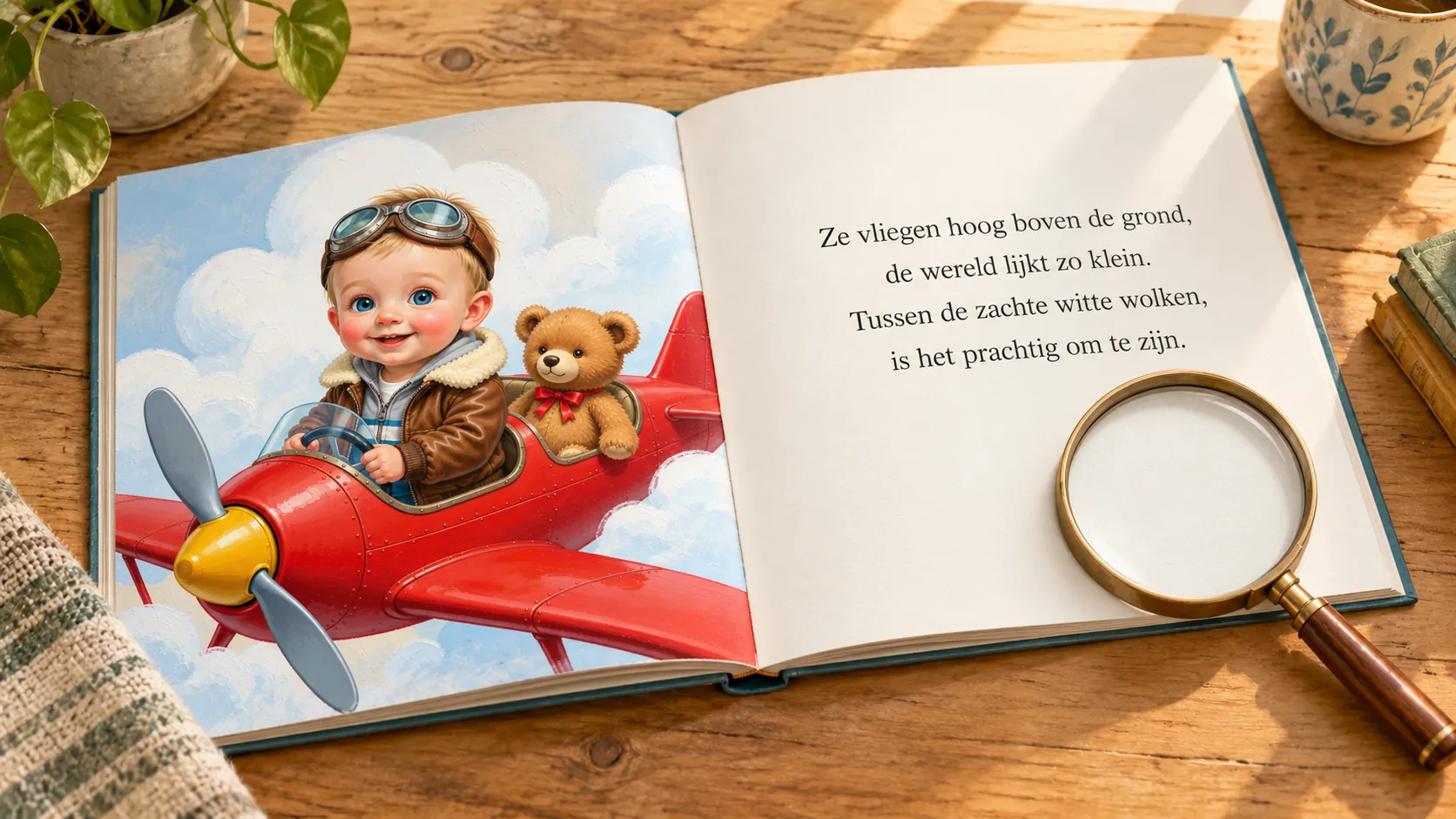
How do we check your personalized children’s book?
After you order, we check your book automatically and Wouter or Lisa reviews it personally before printing. Here is what we look for and what we do if something still goes wrong.
Read article→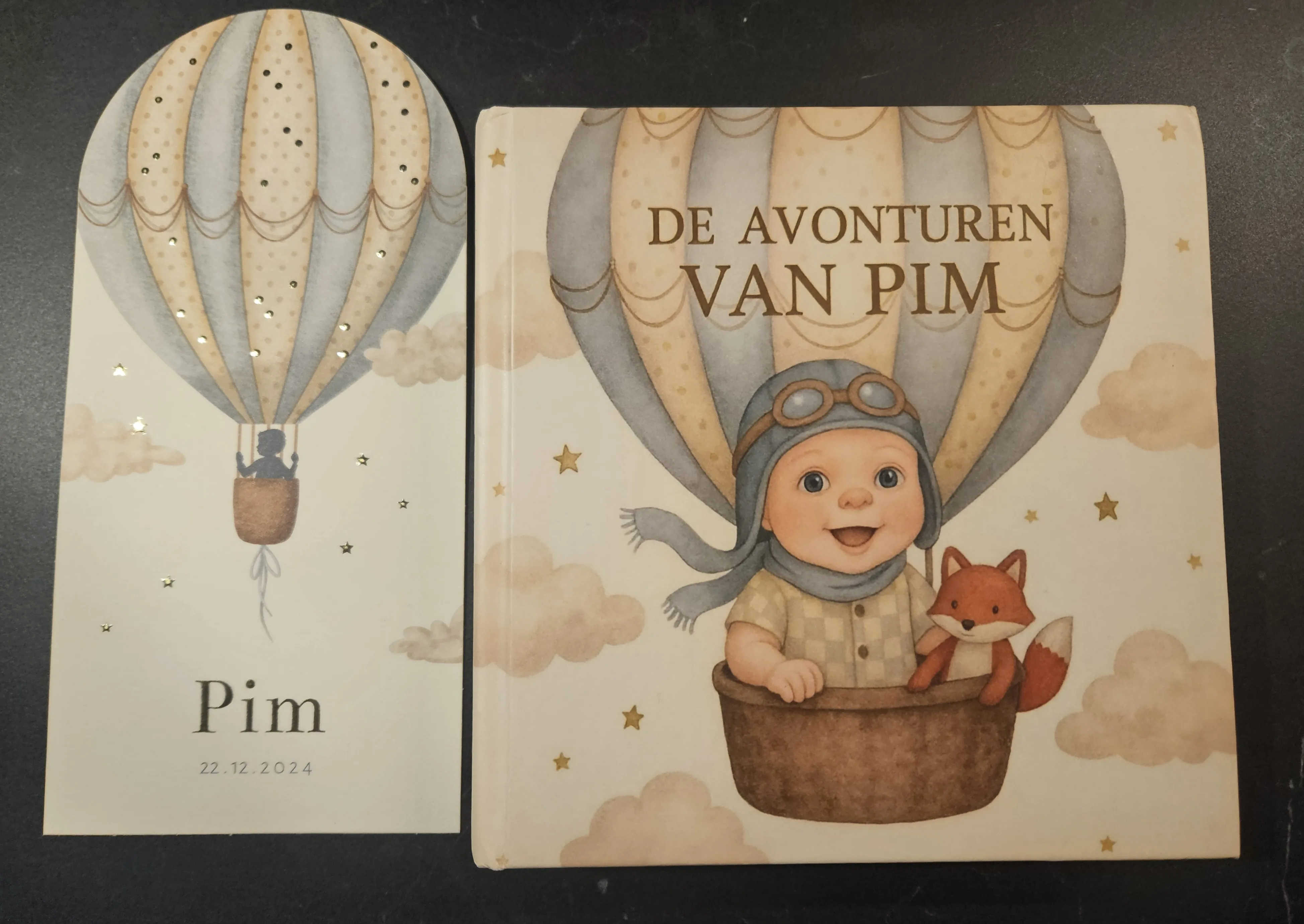
Where It All Began: The Adventures of Pim
The personal story behind BoekjesAtelier: from an early experiment with AI to a platform where everyone can create a personalized children's book.
Read article→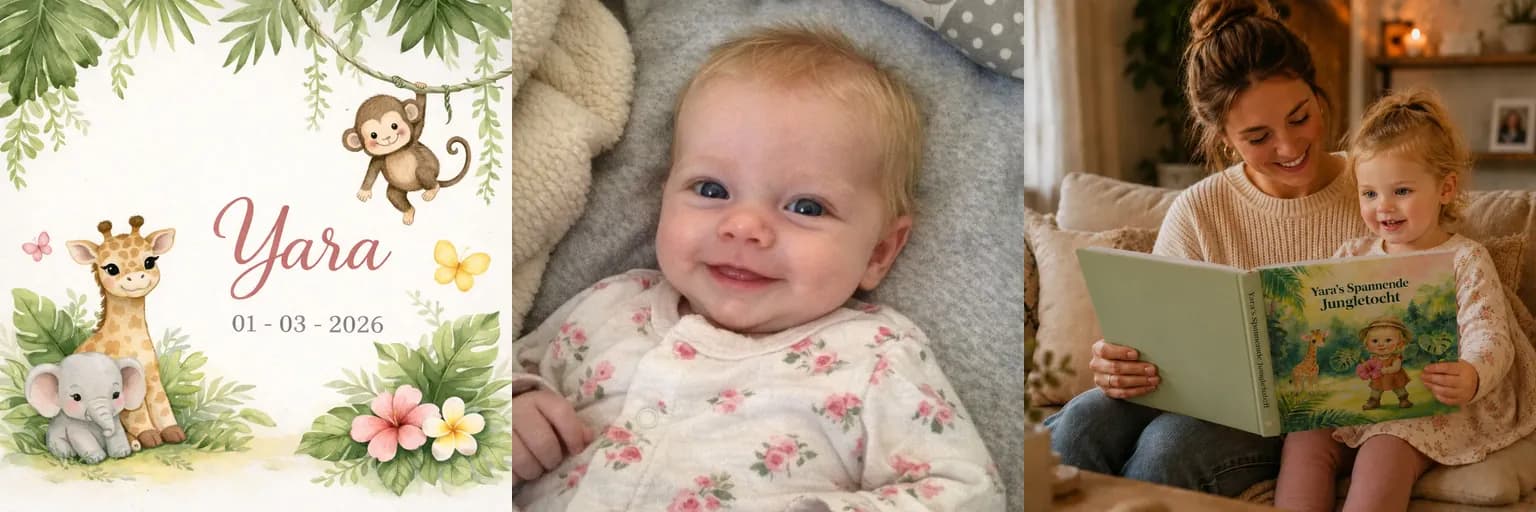
From Birth Announcement to Personalized Children's Book
Turn the colours, illustrations and atmosphere of a birth announcement into a personalized children’s book with your child in the lead role.
Read article→